U.S. NEMA Certification: How to Ensure Electrical Products Meet the Technical Standards of the U.S. Market
NEMA certification (National Electrical Manufacturers Association) is a crucial certification for ensuring that electrical products comply with the technical standards and safety requirements of the U.S. market. Unlike some other certification bodies, NEMA does not directly provide certification services. Instead, it regulates the design and performance of electrical products by issuing a series of standards. Products that meet these standards are deemed to satisfy the technical requirements of the U.S. market.
How to Ensure Electrical Products Comply with NEMA Standards
1. Understand the Relevant NEMA Standards
NEMA has released multiple standards covering various aspects from electrical equipment, machinery to electrical products. The first step is to figure out which NEMA standards apply to your product. Common standards include:

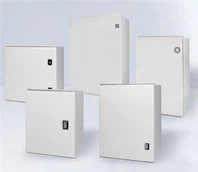
NEMA 250: Standard for enclosures (for waterproof, dust - proof, and explosion - proof enclosures).
NEMA MG1: Standard for motors and generators.
NEMA 12: Enclosure standard for equipment used in industrial environments.
NEMA 4X: Enclosure standard for corrosive environments.
NEMA 6: Standard for waterproof and dust - proof electrical equipment.
2. Design Products to Meet the Standards
Design your product in accordance with the applicable NEMA standards. These standards specify product dimensions, structure, electrical characteristics, and adaptability to the external environment. For example, a product may need to meet a specific protection level (IP rating) or be required to use certain materials to resist corrosion or high temperatures.
3. Select a Qualified Testing and Certification Body
NEMA itself does not offer certification services but cooperates with some certification bodies, such as Underwriters Laboratories (UL). To ensure compliance with NEMA standards, many manufacturers choose third - party testing and certification bodies to conduct product testing. These bodies will test products in line with NEMA standards to confirm their compliance.
4. Conduct Product Testing
Testing is the key to ensuring that products meet NEMA standards. Various performance aspects of the product, such as voltage resistance, electrical stability, and corrosion resistance, need to undergo rigorous testing. Certification bodies usually test the product's performance indicators according to NEMA's technical requirements.
5. Obtain a Qualification Certificate
Although NEMA does not provide direct certification, once the product passes the tests, the certification body will issue a relevant certificate to confirm that the product meets NEMA standards. These qualification certificates are important guarantees for entering the U.S. market and are helpful for product marketing and sales.
6. Comply with NEMA's Continuous Updates and Requirements
NEMA standards are continuously updated with technological development and changes in market demand. Therefore, ensuring that products meet NEMA standards is not a one - time task. Manufacturers need to continuously pay attention to the new standards released by NEMA and update their products in a timely manner to maintain compliance.
Common NEMA Certifications and Standard Applications
Motors and Generators: NEMA has issued many standards related to equipment such as motors, transformers, and generators to ensure their electrical performance and safety.
Power Distribution Equipment: Equipment like distribution boxes, electrical switches, circuit breakers, and panels all need to meet NEMA standards to ensure their proper use in the U.S. market.
Control Equipment: Including automation equipment, relays, frequency converters, etc., which may need to comply with NEMA's regulations on the operating environment and performance.