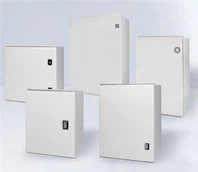
Types of Electrical Enclosures
Selecting the suitable electrical enclosure is crucial to ensure the safety and protection of electrical components and equipment. With a wide variety of electrical enclosures available in the market, it can be overwhelming to choose the right one that suits your needs and requirements. However, with the right knowledge and considerations, selecting the suitable electrical enclosure can be easy and hassle-free.
Firstly, it is important to determine the intended use and environment of the electrical enclosure. Consider the location where the enclosure will be installed, as well as the purpose it will serve. Some enclosures may require more protection against dust, water, or extreme temperatures. Therefore, it is essential to choose an enclosure that can withstand the specific environmental conditions.
Additionally, the size of the enclosure is another critical factor to consider. It is important to choose an enclosure that is spacious enough to accommodate the electrical components and equipment. This will ensure that the components are not cramped, which could lead to overheating or damage.
The material of the enclosure is also an important consideration. Common materials for electrical enclosures include stainless steel, aluminum, and plastic. Stainless steel is durable and resistant to corrosion, making it suitable for harsh environments, while aluminum is lightweight and cost-effective. Plastic is also a popular choice for enclosures as it is lightweight and resistant to corrosion and chemicals.
Furthermore, it is important to consider the level of security required for the electrical enclosure. Some enclosures may require additional locks, latches, or seals to ensure that unauthorized persons cannot access the electrical components.
In conclusion, selecting the suitable electrical enclosure is crucial to ensure safety and protection for electrical components and equipment. By considering the intended use and environment of the enclosure, the size, material, and level of security required, choosing the right enclosure can be an easy and stress-free process.
Selecting the suitable electrical enclosure type not only saves lives but equally a lot of money in operating expenses.
Because there are different types of electrical enclosures, it is challenging to choose the type that best suits your unique application.
To aid you out, we will discuss the common types of electrical enclosure boxes used today.
Let's dive right in.
Common Types Of NEMA Electrical Enclosures
Electrical Enclosure By Material
Polycarbonate Plastic Electrical Enclosures
Electrical Enclosure By Mounting Options
General Enclosure Types
Common Types Of NEMA Electrical Enclosures
NEMA designations are normally applied to describe the extent of performance expectations. You will find many, however here are the common types of NEMA electrical enclosure:
NEMA Enclosures
NEMA Enclosures
NEMA 1 Electrical Enclosure: Provide the least protection and are mostly used indoors.
NEMA 2 Electrical Enclosures: The enclosures offer extra protection layer against light water drops.
NEMA 3 Electrical Enclosure: Can be mounted both outdoors and indoors. You will notice them installed outdoors more often since they provide extra protection against rain, falling dirt, sleet, snow and external ice development.
NEMA 4 Electrical Enclosure: Exhibit watertight features and offer greater degree of protection against extreme weather conditions.
NEMA 4X Electrical Enclosure: Offer similar protection as NEMA 4 Enclosures though with extra protection against corrosion.
NEMA 6 Electrical Enclosure: made for both outdoor and indoor use. It commonly finds use in applications where there may be occasional momentary immersion in water.
NEMA 6P Enclosure: Gives similar protection level as NEMA 6 enclosures, though allows for extended immersion in water. It adds an extra protection layer against corrosion as well.
NEMA 7 Electrical Enclosure: designed for indoor hazardous environments as specified in NFPA 70.
NEMA 12 Electrical Enclosure: Irrespective of their higher rating, the enclosure ranks higher than NEMA 1 and 2. However, it offers less protection compared to outdoor enclosures such as NEMA 4X and 6P.