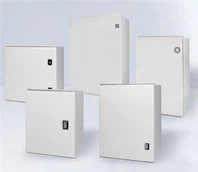
Distribution box is an electrical equipment that has the characteristics of small size, easy installation, special technical performance, fixed position, unique configuration function, not limited by site, widely used, stable and reliable operation, high space utilization rate, small footprint, and environmental protection effect.
The massive parameters on the distribution box data generally constitute the low-voltage distribution box according to electrical wiring, requiring the assembly of switchgear, measuring instruments, protective appliances, and auxiliary equipment in enclosed or semi enclosed metal cabinets or screens to form the low-voltage distribution box. During normal operation, the circuit can be connected or disconnected using manual or automatic switches.
The distribution box has the characteristics of small size, easy installation, special technical performance, fixed position, unique configuration function, not limited by site, widely used, stable and reliable operation, high space utilization rate, small footprint, and environmental protection effect. It is the control center that directs the rational distribution of electrical energy among various components in the power supply line, the control link that reliably receives the upper power supply and correctly feeds out the load electrical energy, and the key to obtaining user satisfaction with the power supply quality. Improving the operational reliability of power distribution boxes is the goal of creating high-quality engineering.