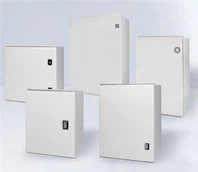
What is the difference between 304, 316 and 201 stainless steel?

Steel is an alloy and all these series of steels have different compositions - the percentage of various components which give it certain qualities. Stainless steel 304 has 18 per cent chromium and 8 per cent nickel. This makes it resistant to oxidation - rusting - and very durable. This steel has no restrictions on where it can be used.
316 steel has less chromium and more nickel and includes an element called molybdenum. This alloy is one of the most corrosion-resistant and is also the most resistant to chlorine and salt. This is why it is often used in offshore, marine and washdown applications. It is also in greater demand in the pharmaceutical industry, as molybdenum helps to avoid contamination of the metal.
Finally, 201 stainless steel is characterised by a very low nickel content, which is why it is very cheap. However, it is not resistant to corrosion, so the housings of this steel are not suitable for outdoor applications. All of these belong to the austenitic family, which are non-magnetic metals that can be welded at any temperature. This family can be divided into 2 series: 300 and 200. You will not be able to tell the difference between all these steels just by looking at them.
Therefore, you will need to check the manufacturer's report to ensure that the correct type of stainless steel is used. To choose the type or grade of stainless steel, consider the qualities you require and go from there. You can also contact us for advice!

What is the difference between stainless steel, steel, and galvanized steel enclosures?
Firstly, ordinary steel is a mixture of iron and carbon, which is why it is also known as carbon steel and mild steel. Steel is strong, but it tends to rust and stain. We can make steel housings, but they are not as resistant to corrosion as stainless steel housings.
Stainless steel is modified by adding chromium, nickel and molybdenum to an iron-carbon alloy. Steel is usually duller than stainless steel. It is also magnetic and has a higher degree of malleability.
Galvanised steel is coated with a layer of zinc which gives it a corrosion resistant quality. Although we do offer galvanised steel housings, this metal is susceptible to the effects of salt water. Please remember that galvanised steel is more expensive and heavier than stainless steel.