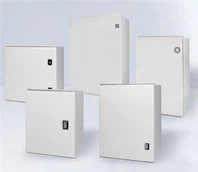
1, Metal material
Metal material is one of the most common materials for electric meter boxes. Among them, stainless steel, aluminum alloy, and copper are the most commonly used materials. Stainless steel meter boxes have advantages such as strong corrosion resistance, less susceptibility to rusting, and long service life. Aluminum alloy meter boxes have the characteristics of being lightweight, wear-resistant, and resistant to oxidation, making them suitable for indoor and outdoor environments. The copper meter box has good conductivity and thermal conductivity, ensuring the accuracy and stability of electricity metering.
2, Plastic material
Plastic meter boxes are suitable for indoor and outdoor environments and have the characteristics of being lightweight, durable, and easy to install. Common plastic materials include ABS, PC, PVC, etc. ABS material has heat resistance, impact resistance, and chemical corrosion resistance, making it suitable for environments with high temperatures. PC material has the advantages of high transparency, good toughness, and high heat resistance, making it suitable for manufacturing high-precision meter boxes. PVC material has advantages such as low cost, corrosion resistance, and wear resistance, making it suitable for indoor environments.
3, Fiberglass material
Fiberglass material is a composite material composed of glass fiber and synthetic resin. Fiberglass electric meter boxes have the characteristics of lightweight, high strength, corrosion resistance, and not easy to deform. Fiberglass electric meter boxes are suitable for outdoor environments and can resist ultraviolet radiation, oxidation, and chemical corrosion.