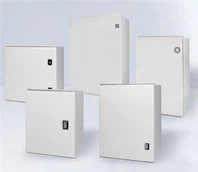
Electrical Equipment Enclosures
Also known as electrical enclosures, equipment cabinets, or protective enclosures, these are critical components designed to safeguard electrical systems in industrial, commercial, and utility environments. As industries undergo transformation toward digitalization and high-power electronic systems, the demand for enclosure solutions with high corrosion resistance, superior insulation, and reliable performance is growing rapidly.
Modern enclosure systems manufactured from advanced materials such as SMC (Sheet Molding Compound) and FRP (Fiber Reinforced Plastic) are gaining widespread popularity. Compared to traditional metal enclosures, these materials offer superior performance in insulation, corrosion resistance, impact resistance, and long-term durability.
1. The Role of Electrical Equipment Enclosures in Industrial Safety
Electrical equipment enclosures protect vital systems-including switchgear, power distribution units, communication modules, and control electronics-from harsh environmental conditions. Their primary functions include:
- Preventing accidental contact with live components
- Shielding equipment from dust, moisture, chemicals, and ultraviolet radiation
- Maintaining operational stability under extreme temperatures
- Providing mechanical strength to withstand impact and vibration
- Ensuring compliance with industry standards and rating requirements such as IEC, UL, IP, and NEMA
2. Why Composite Material Enclosures Are Becoming the Industry Standard
Compared to traditional steel or aluminum enclosures, composite electrical enclosures-especially SMC electrical enclosures-boast significant engineering performance advantages, making them the ideal choice for power distribution, renewable energy systems, and outdoor industrial facilities.
2.1 Superior Electrical Insulation Performance
SMC and FRP materials feature excellent dielectric strength, which significantly reduces the risk of short circuits and enhances electrical safety-a critical attribute in high-voltage environments and outdoor substations.
2.2 Corrosion and Weather Resistance
Unlike metal enclosures that are prone to rust and corrosion in coastal or chemical environments, composite enclosures maintain stability in the following settings:
- Coastal areas with high salt spray concentrations
- High-humidity regions
- Chemical plants or industrial zones
- Environments exposed to long-term acid rain or ultraviolet radiation
2.3 Lightweight Yet High-Strength
Composite materials offer high rigidity and impact resistance while being far lighter than metals, helping reduce installation costs and improve transportation efficiency.
2.4 Excellent Thermal Stability
Composite enclosures retain dimensional stability and insulation performance across a wide temperature range, making them highly suitable for industrial scenarios with harsh climates or high temperatures.
2.5 Long Service Life
Thanks to their outstanding environmental and chemical resistance, SMC and FRP enclosures deliver long-term stable operation with minimal maintenance requirements, making them a cost-effective alternative to metal cabinets.
3. Key Application Fields of Electrical Equipment Enclosures
High-performance electrical equipment enclosures are widely used across multiple industries. Their adaptability and protective capabilities make them essential equipment in the following sectors:
- Power transmission and distribution systems (substations, switchgear enclosures)
- Renewable energy systems (photovoltaic inverter enclosures, wind power control boxes)
- Communication networks (fiber optic distribution boxes, signal control units)
- Industrial automation (PLCs, control panels, industrial electronic equipment)
- Transportation infrastructure (new energy vehicle charging stations, railway control systems)
- Smart city utilities (traffic systems, monitoring equipment)
4. Design Trends Driving the Future of Enclosure Technology
As electrical systems continue to evolve, enclosure technology is keeping pace. Manufacturers are focusing on the following development directions:
4.1 Integrated Thermal Management Design
As high-power electronic devices generate increased heat, optimizing ventilation systems, cooling structures, and heat-dissipating materials is crucial to ensuring stable equipment operation.
4.2 Intelligent Monitoring Functions
Modern enclosures are beginning to integrate IoT (Internet of Things) sensors for:
- Temperature and humidity monitoring
- Access control
- Vibration and overload detection
- Remote diagnostics
4.3 Modular and Customizable Structures
Composite molding technologies-including compression molding and SMC molding processes-enable manufacturers to produce highly customized enclosure structures with shorter lead times and lower costs.
5. Sustainability and Environmental Performance
Composite electrical enclosures offer significant advantages in green manufacturing, including:
- Longer service life, reducing replacement frequency and waste generation
- Lower carbon emissions during production compared to metal enclosures
- Recyclability of thermosetting composites through advanced eco-friendly technologies to achieve resource reuse
These advantages are highly aligned with the global trends of green development and energy efficiency improvement.
Conclusion
As industries move toward more intelligent and reliable electrical systems, high-performance composite electrical equipment enclosures have become a foundational technology. Their exceptional insulation performance, mechanical strength, weather resistance, and robust customization capabilities make them the ideal choice for the development of modern industry, utilities, and smart cities.
With continuous advancements in composite materials, molding processes, and enclosure engineering design, composite electrical enclosures will continue to play a pivotal role in the future development of global electrical infrastructure.